
The Body Remembers What We Don’t Say
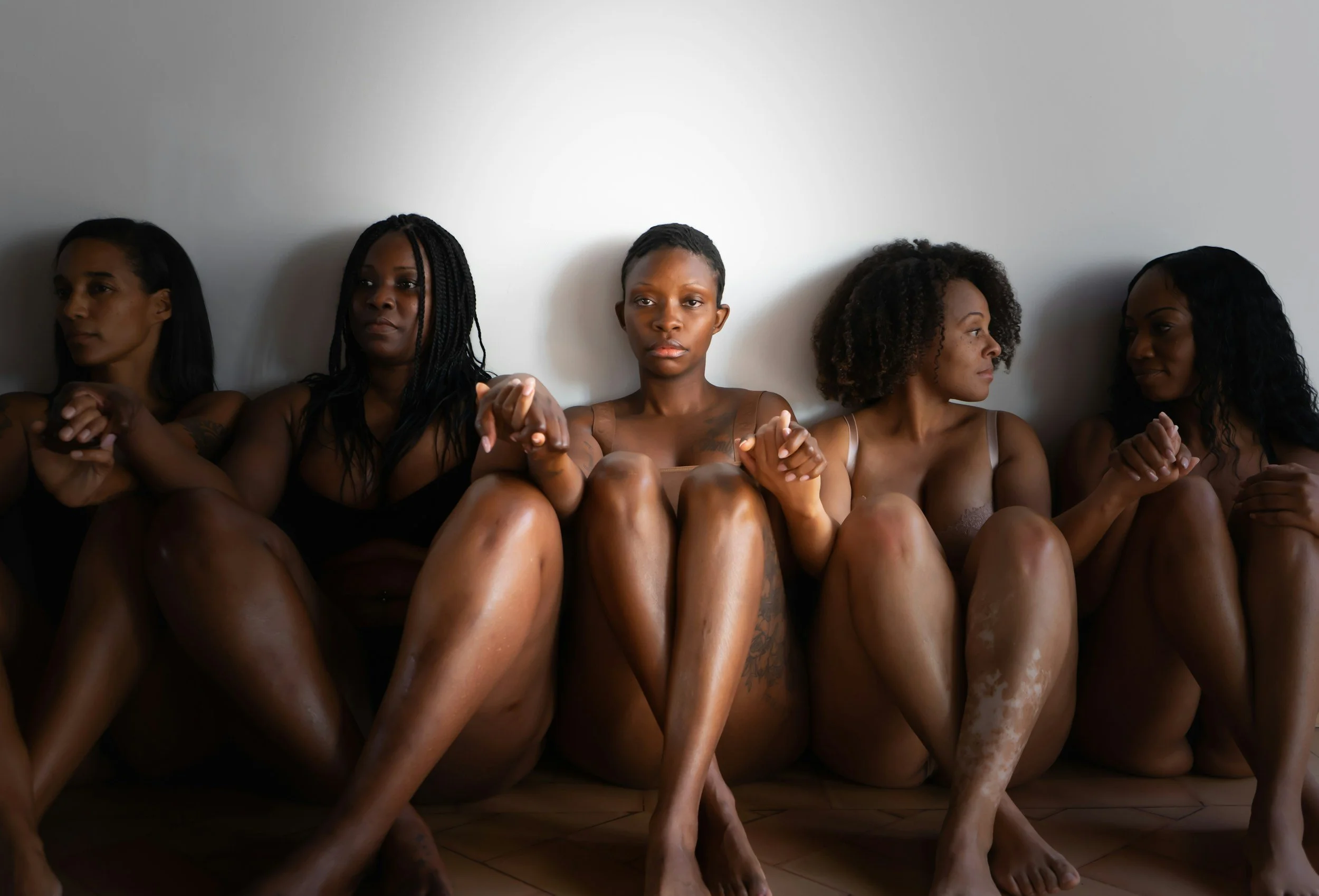
There are stories we tell out loud, and then there are the stories our bodies tell for us. The ones that slip through in the tightness of a jaw, the shallow breath before a difficult conversation, the way our shoulders rise like shields without our permission. The body speaks in a language older than words, a language shaped by identity, memory, culture, and survival.
For many of us, especially Black women, educators, caregivers, and those who have learned to be “the strong one,” silence has been a form of protection. We learned early that naming our needs could be dangerous, or dismissed, or simply too heavy for the spaces we were in. So the body learned to carry what the mouth could not.
The body remembers.
It remembers the years of being told to “keep it together.”
It remembers the microaggressions we brushed off to stay professional.
It remembers the grief we didn’t have time to feel.
It remembers the moments we swallowed our truth to keep the peace.
It remembers the pressure to be exceptional, composed, unshakeable.
And because the body remembers, it also compensates.
Tight hips from holding back anger.
A clenched jaw from unspoken boundaries.
A racing heart from years of hypervigilance.
A tired back from carrying emotional labor that was never named.
A frozen breath from bracing for impact that never came.
This is not a weakness.
This is wisdom.
The body has been doing its best to keep you alive.
But survival strategies are not the same as healing strategies. And at some point, the body begins to ask for something different — not louder, but deeper.
A pause.
A breath.
A softening.
A truth spoken gently.
A movement that lets the story shift.
Embodied healing is not about forcing the body to relax. It’s about listening to what it has been trying to say all along. It’s about honoring the ways identity shapes our nervous system, how race, gender, culture, and lived experience influence what safety feels like, and what it doesn’t.
For Black women, for educators, for those who have been socialized to care for everyone else first, embodiment is not a luxury. It is a reclamation.
A return to yourself.
A return to your breath.
A return to the parts of you that learned to whisper because the world was too loud.
Healing begins when we stop asking the body to forget and start asking it what it needs.
Sometimes it needs movement: a slow roll of the shoulders, a grounding sway, a walk that lets the mind settle.
Sometimes it needs stillness: a moment to unclench, to feel, to release.
Sometimes it needs language: a boundary, a truth, a “no” that makes space for your “yes.”
Sometimes it needs support: a therapist, a community, a practice that honors your whole self.
Your body is not betraying you.
It is inviting you.
Inviting you to listen.
Inviting you to return.
Inviting you to heal in ways your younger self never had access to.
The body remembers what we don’t say, but it also remembers when we finally begin to speak.
And that is where transformation begins.
